Route Optimization

Route Optimization Software for Transit Operators

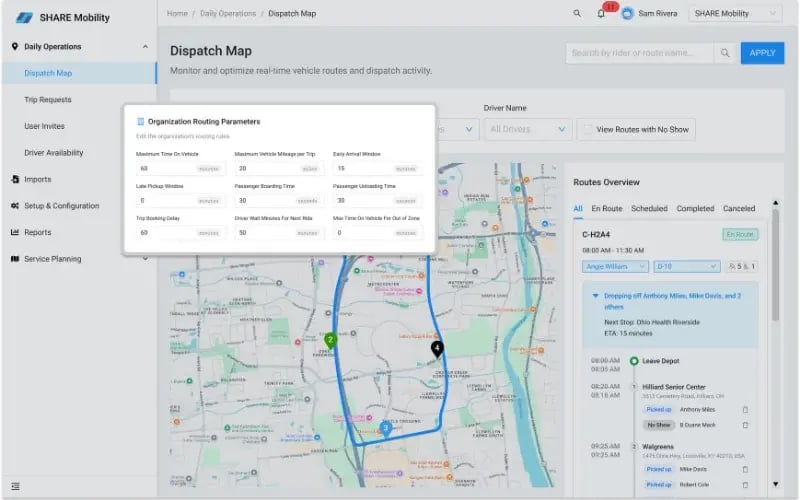
Software that automatically builds efficient routes by evaluating trip requests, vehicle capacity, accessibility requirements, time windows, and real-time traffic conditions.

SHARE's routing engine evaluates hundreds of potential routes simultaneously to maximize trips served, minimize miles driven, and reduce the vehicles needed. Dispatchers keep full manual override.
sharemobility.com/features/route-optimization
SHARE Mobility route optimization software showing optimized routes on a fleet map
The Problem

Manual routing costs you miles, time, and trips

When coordinators build routes by hand, inefficiencies compound across every vehicle, every shift, and every service day.

01

Manual route building doesn't scale

Coordinators plotting routes on spreadsheets or whiteboards can handle a handful of vehicles. Add more riders, more stops, or a second service type and the process breaks down.

02

Deadhead miles drain your budget

Vehicles driving empty between stops is wasted fuel, wasted driver time, and wasted capacity. Without optimization, deadhead miles accumulate invisibly across every route.

03

Capacity mismatches leave trips unserved

Sending a vehicle with three open seats to a stop that needs six creates a service failure. Without real-time capacity matching, coordinators guess at vehicle assignments and riders pay the price.

04

Routes can't adapt once the day starts

Same-day cancellations, late additions, and no-shows change the math on every route. Static route plans have no way to absorb those changes without starting over.

Hilliard Express, City of Hilliard, Ohio
48%

increase in trips per driver year over year

Hilliard Express delivers door-to-door transit for older adults and residents with disabilities. After implementing SHARE, trips per driver increased 48 percent year over year, reflecting improved scheduling and day-to-day routing efficiency across the program.

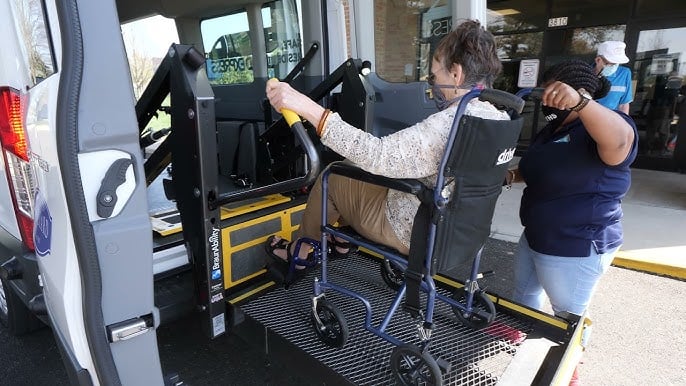
Hilliard Express door-to-door transit vehicle serving older adults in Hilliard, Ohio
What It Does

Smarter routes, fewer miles, more trips served

The routing engine handles the math so your dispatchers can focus on the exceptions that need a human decision.

Automated route building

The engine evaluates all trip requests, vehicle locations, and constraints simultaneously. It generates optimized routes automatically, replacing manual spreadsheet-based planning.

Real-time re-optimization

When trips are added, cancelled, or modified mid-day, the engine recalculates routes using the existing route as a starting point. Updated instructions push to the driver app automatically.

Vehicle capacity matching

The engine checks each vehicle's total capacity, including ambulatory and wheelchair seats, before assigning trips. Mismatches are flagged before they become service failures.

Accessibility requirements

Wheelchair accessibility, ambulatory needs, and special equipment requirements are built into the optimization logic. The engine only assigns vehicles that meet each rider's needs.

Time window compliance

Routes respect "arrive by" and "ready by" scheduling constraints. Configurable buffer times give the engine room to group riders efficiently without violating pickup or drop-off windows.

Deadhead mile reduction

The engine minimizes empty vehicle travel between stops. When it makes sense, drivers are instructed to arrive early and wait rather than zigzag inefficiently between distant pickups.

Multi-stop grouping

The engine groups riders heading in similar directions onto shared routes. It evaluates hundreds to thousands of potential arrangements simultaneously to find the most efficient grouping.

Same-day route changes

Add trips to an active route without disrupting existing assignments. The engine accepts mid-route additions if at least one new trip fits, keeping the rest of the route intact.

How It Works

From trip data to optimized routes in three steps

The routing engine does the heavy lifting. Your team stays in control of the decisions that matter.

Import trips and vehicle data

Trip requests enter the system through the rider app, admin portal, or recurring schedules. Vehicle capacity, accessibility equipment, and depot locations are already configured.

Engine builds optimized routes

The routing engine analyzes all trips, vehicles, and constraints simultaneously. It maximizes trips served, minimizes miles driven, and reduces vehicles needed. Routes push to driver apps instantly.

Monitor and adjust in real time

Track route progress on the live map. Add same-day trips, remove cancellations, or reassign vehicles. The engine re-optimizes and pushes updated instructions to drivers automatically.

See route optimization on your fleet size and service type in a live walkthrough.

Get a walkthrough
Frequently Asked Questions

Common questions about route optimization software

Route optimization software automatically builds efficient vehicle routes by analyzing trip requests, vehicle capacity, accessibility requirements, time windows, and geographic constraints. Instead of coordinators plotting routes manually, the software evaluates hundreds of potential arrangements and selects the one that serves the most riders with the fewest miles and fewest vehicles. SHARE's routing engine handles demand-response, microtransit, paratransit, and scheduled service types from one platform.
The engine takes in trip requests (pickup and drop-off locations, time windows, accessibility needs), vehicle data (capacity, wheelchair equipment, depot locations, availability), and operational constraints (buffer times, service zones, driver schedules). It optimizes across three objectives simultaneously: maximize trips served, minimize miles driven, and minimize vehicles used.
Yes. When trips are added, cancelled, or modified during the service day, the engine re-optimizes using the existing route as a starting point. Mid-route additions succeed if at least one new trip fits without disturbing existing assignments. Updated routes push to the driver app automatically. Organizations with auto-routing enabled can also configure interval-based re-optimization that runs continuously throughout the day.
SHARE optimizes routes for demand-response, on-demand, microtransit, flex-route, paratransit, NEMT, and scheduled services. Operators running multiple service types can manage all of them from one platform instance. The routing engine is best suited for organizations that require trip bookings at least 30 minutes in advance and route riders to or from specific points of interest.
Route optimization reduces costs in three ways: fewer deadhead miles (less fuel and driver time wasted on empty travel), fewer vehicles needed (the engine groups trips efficiently so each vehicle serves more riders), and less coordinator time spent building routes manually. Hilliard Express saw a 48 percent increase in trips per driver year over year after implementing SHARE, reflecting improved scheduling and routing efficiency.
Get Started

Fewer miles. More trips. Smarter routes.

See how SHARE's route optimization performs on your fleet size and service type in a live walkthrough.